Buying your first beach home in Sunnyside Beach can feel exciting and a little tricky at the same time. You may be picturing morning walks by the water, but you also need to make smart choices about insurance, property type, and future resale. The good news is that with the right local guidance, you can cut through the noise and focus on what matters most. Let’s dive in.
Sunnyside Beach market basics
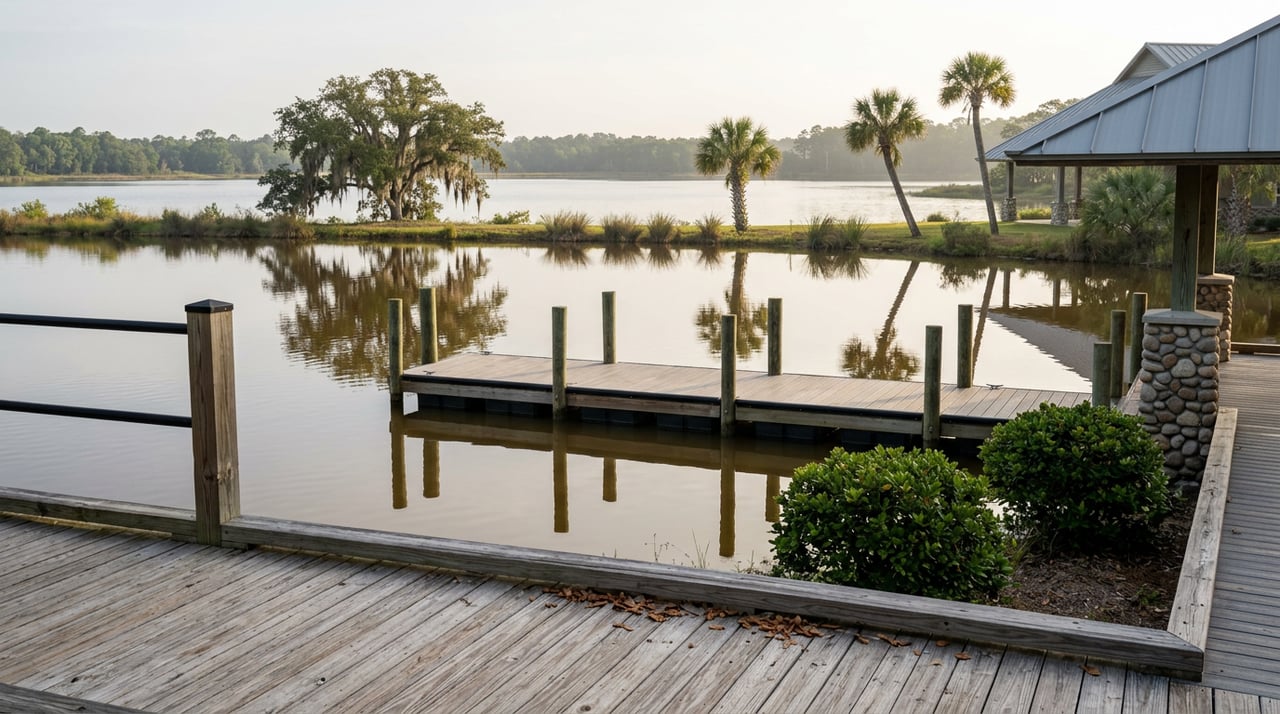
Sunnyside on the Gulf sits on the west end of Panama City Beach, an area known for a quieter feel, fewer high-rise condominiums, and smaller coastal communities. That gives many buyers a different experience than they might find in more tower-heavy beach areas.
It is also a very small micro-market. Current market snapshots show only a handful of active listings and very limited recent sales activity, which means pricing can shift quickly based on just one sale or listing. If you are buying here for the first time, it helps to look at each property closely instead of relying too much on broad neighborhood averages.
Recent sales data also shows a wide spread in value. In Sunnyside on the Gulf, recent examples range from a vacant lot around $225,000 to a Front Beach Road home at $1.275 million. That tells you location, lot size, condition, and beach proximity may matter more than the neighborhood name alone.
Property types you may see
Beach houses and cottages
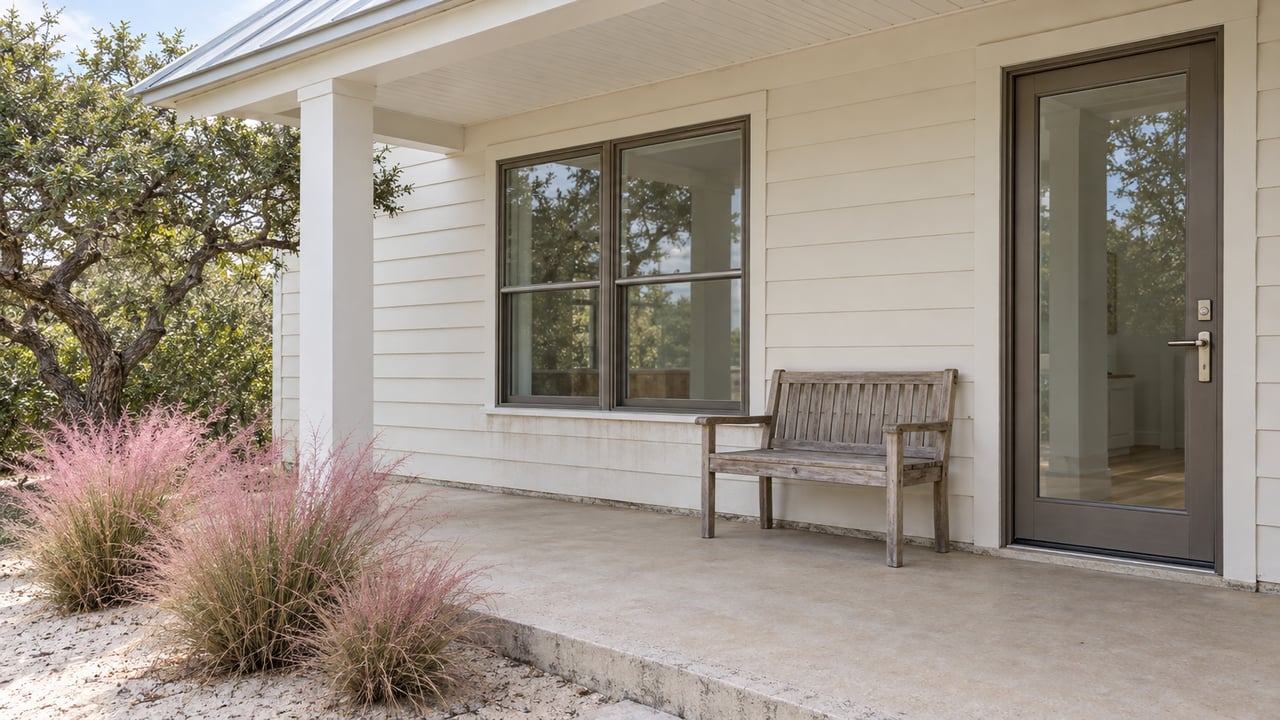
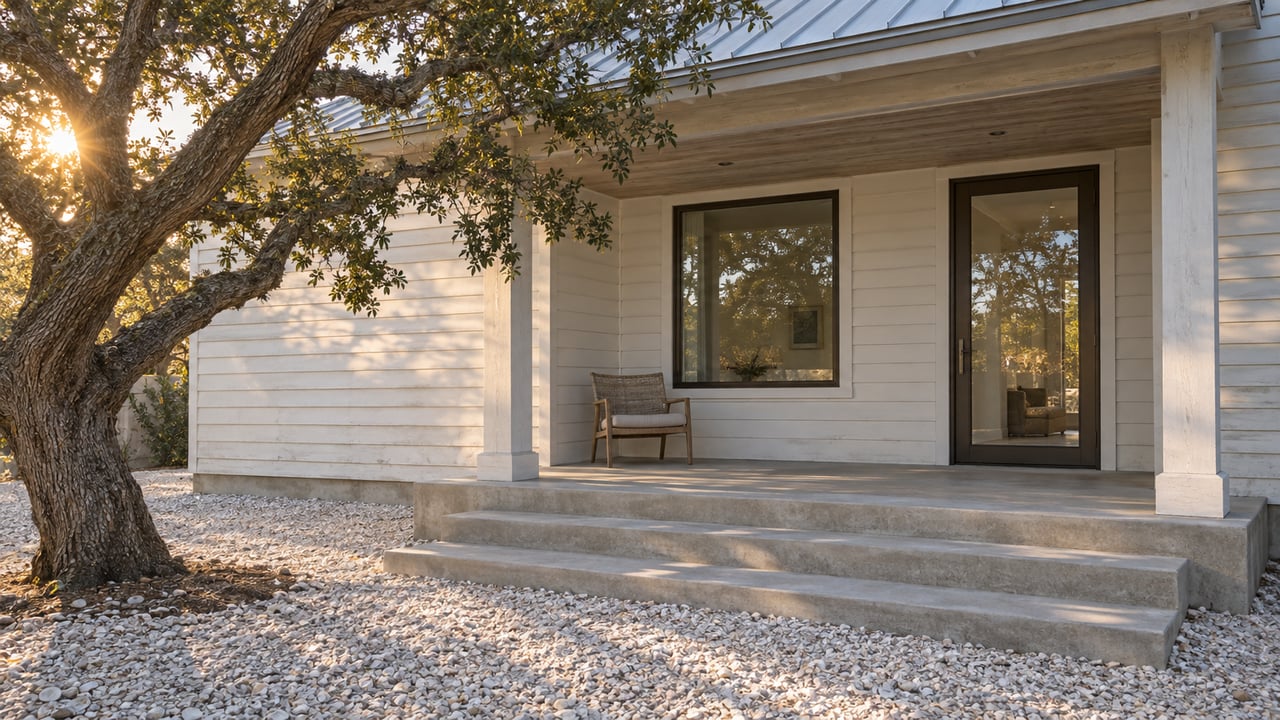
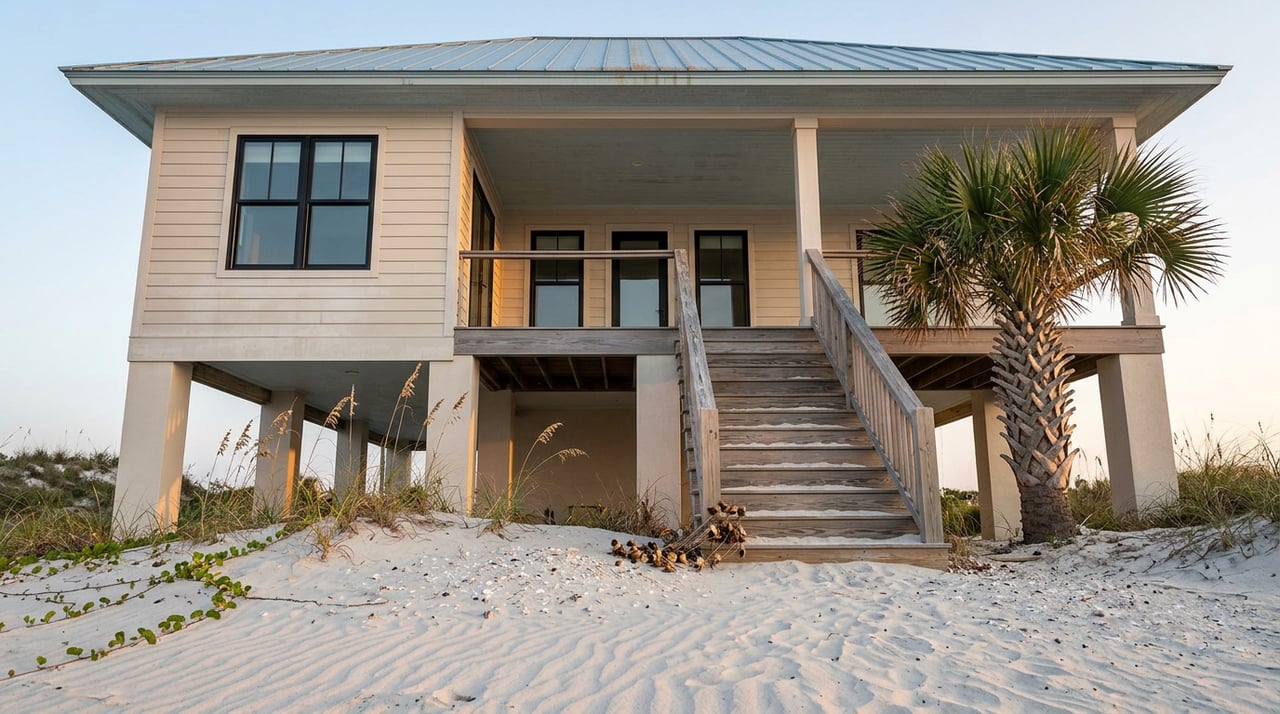
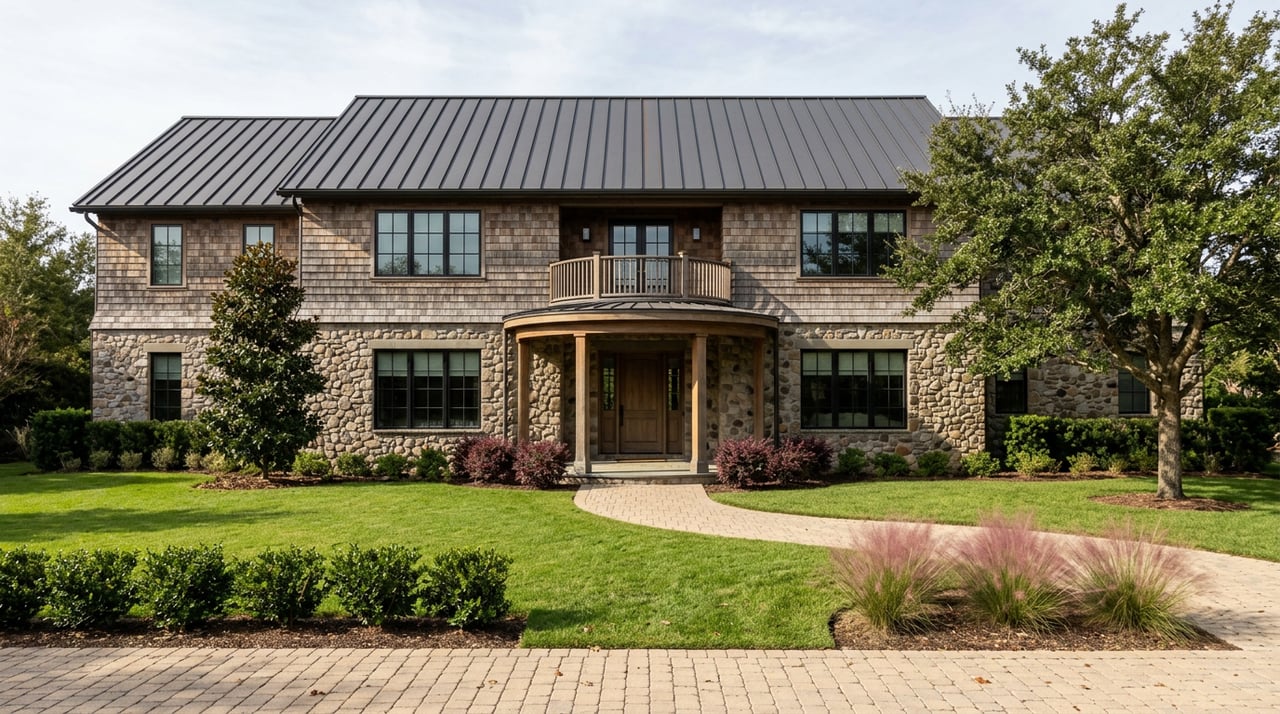
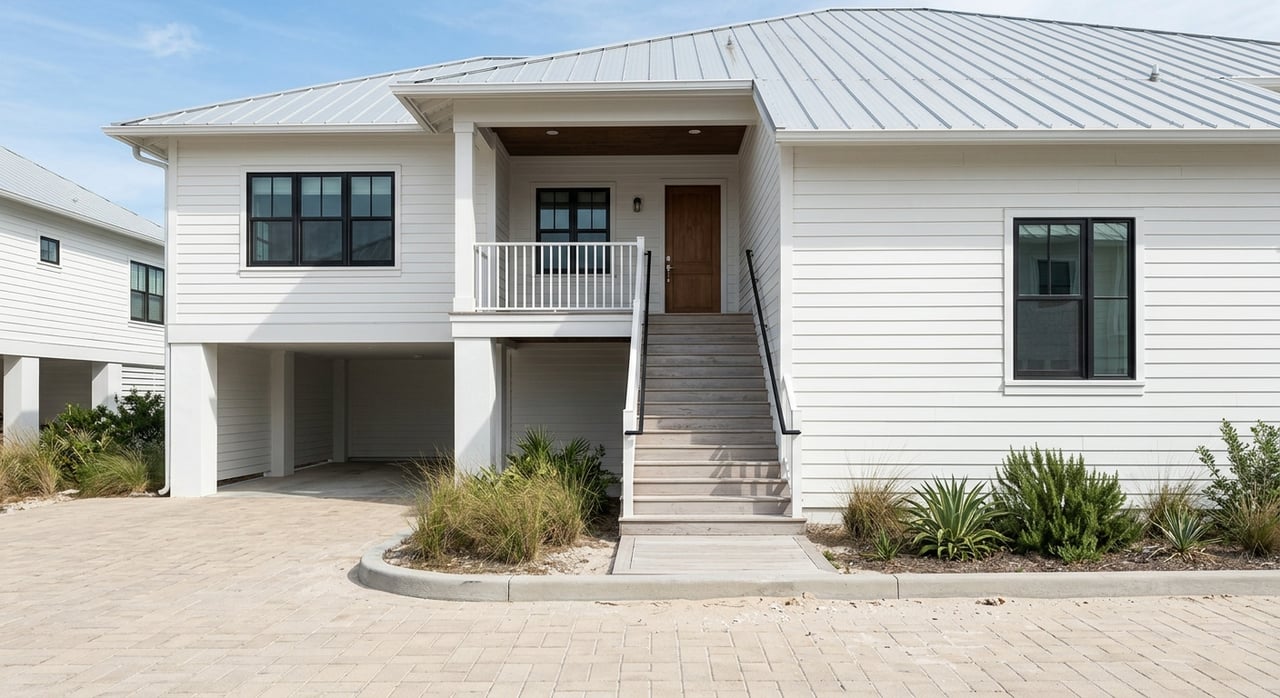
On this part of the beach, you are more likely to see a mix of coastal homes and older cottages instead of a skyline of tall condo towers. For many first-time buyers, that can make Sunnyside feel more residential and less uniform.
A detached home usually gives you more direct control over the property. You may have more freedom with maintenance decisions and updates, but you also take on more responsibility for repairs, insurance details, and long-term upkeep.
Condos and townhomes
In the broader Panama City Beach area, buyers may also compare condos and townhomes with single-family homes. These options can offer a more association-managed setup, which may appeal to first-time buyers who want fewer exterior maintenance tasks.
That said, condo and townhome ownership comes with shared rules, fees, and financial considerations. Before you buy, you will want to understand exactly what the association handles and what stays on your shoulders as the owner.
Condo and HOA due diligence
What to review before you offer
If a property is part of an HOA or condo association, your review should go beyond the home itself. Florida law requires associations to keep official records, including bylaws, rules, insurance policies, contracts, and financial records.
For a first-time buyer, that turns into a simple but important checklist:
- Declaration documents
- Bylaws
- Current rules and restrictions
- Annual budget
- Financial report
- Reserve funding details
- History of special assessments
- Signs of deferred maintenance
These documents help you understand not just the property, but how the community is run. They can also point to future costs that may not show up in the list price.
Condo insurance details matter
Florida law requires residential condominium associations to maintain adequate property insurance, but that master policy does not cover everything inside your unit. Certain items are typically the unit owner’s responsibility, including personal property, some interior finishes, appliances, water heaters, built-in cabinets and countertops, and window treatments.
That is why many condo buyers also need an HO-6 policy. Florida consumer guidance says this type of policy can cover personal property and certain building items not insured by the association policy, and it must include at least $2,000 of loss-assessment coverage with a deductible cap of $250.
Ask about inspections and reserves
For qualifying condo buildings in Florida, milestone inspections and structural integrity reserve studies can be a major part of due diligence. Buildings that are three habitable stories or higher must meet state inspection requirements on a set schedule, and buildings near salt water may face a shorter timeline.
Before you move forward on a condo, ask for:
- The milestone inspection summary
- The structural integrity reserve study
- Any open repair recommendations
- Information on upcoming projects
These records can help you spot potential costs before closing instead of after.
Insurance questions first-time buyers should ask
Flood risk in Bay County
Bay County reports flood hazards from hurricanes, tropical storms, and intense rainfall. The county also notes that most flood problems come from rainfall, not just tidal water, and that standard homeowners insurance does not cover flooding.
That means one of your first questions should be whether you need a separate flood policy. Bay County also participates in the National Flood Insurance Program and the Community Rating System, and its Class 5 CRS rating gives residents a 25% flood-insurance premium discount.
Windstorm and hurricane coverage
In coastal Florida, you also need to understand windstorm and hurricane coverage. Florida consumer guidance says windstorm coverage is generally required unless a policyholder signs a specific exclusion.
You should also ask how the hurricane deductible works. Florida says hurricane deductibles can be $500, 2%, 5%, or 10% of dwelling limits, and when that deductible applies, no other deductible under the policy may be applied.
Flood policy details to clarify
Flood coverage is not one-size-fits-all. Ask whether the policy covers the building, contents, or both, and whether there is a waiting period before the policy takes effect.
For many buyers, the waiting period matters more than expected. Flood insurance commonly has a 30-day waiting period, and flood policies generally do not include additional living expenses.
Questions for condo buyers
If you are buying a condo, insurance questions become even more specific. Ask what the association’s master policy covers and what your HO-6 policy needs to cover.
You should also ask whether you need more loss-assessment coverage and whether any overlap exists between the two policies. Florida guidance notes that if both policies cover the same item, the association policy pays first.
Renovation and resale factors
Think beyond your first year
Your first beach home may not be your forever home, so resale should be part of your decision from day one. In a market like Sunnyside, future buyers will likely care about the same issues you care about now: insurance, condition, documentation, and cost predictability.
In practical terms, homes that are easier to insure, finance, and explain to the next buyer may have an advantage. That does not guarantee future value, but it can help reduce friction when it is time to sell.
Bay County improvement rules
If you plan to renovate, Bay County rules matter. The county states that substantial improvements equal to or above 50% of a building’s market value within 10 years can trigger flood-compliance requirements, which may require living areas to be raised to base flood elevation.
That is a key issue for buyers considering major remodels over time. Before buying a property that needs work, make sure you understand how those rules could affect your budget and timeline.
What often matters most later
For many first-time beach buyers, the biggest resale questions are surprisingly practical. Ask yourself whether the property is likely to remain insurable, whether an association appears financially healthy, and whether any upcoming repair or inspection cycle could create surprise costs.
Those answers can shape both your ownership experience and your exit options later. In a small market, clean due diligence and fewer unknowns can matter a lot.
A smart first-time buying approach
Buying in Sunnyside Beach is not just about finding a home you love. It is about matching that home to your comfort level with insurance, maintenance, association rules, and future plans.
A thoughtful first step is to compare each property across the same core categories instead of getting swept up by curb appeal alone. Focus on property type, ownership costs, insurance needs, document review, and resale flexibility.
Here is a simple framework to use:
- Compare house, condo, and townhome ownership responsibilities
- Review HOA or condo records early
- Ask insurance questions before you commit
- Look closely at inspection and reserve issues for condos
- Consider renovation limits and long-term resale
When you buy in a small coastal market, details matter. Having a local team who understands Panama City Beach, the west end, and the questions remote and first-time buyers tend to miss can make the process much smoother.
If you are thinking about buying your first beach home in Sunnyside on the Gulf, Beach King Realty can help you evaluate properties clearly, ask the right questions, and move forward with confidence.
FAQs
What makes Sunnyside Beach different for first-time buyers?
- Sunnyside on the Gulf is a small west-end micro-market with fewer high-rise buildings, limited sales data, and a mix of coastal homes and cottages, so each property often needs to be evaluated on its own merits.
What should a first-time buyer review in a Sunnyside Beach HOA or condo association?
- You should review the declaration, bylaws, current rules, budget, financial report, reserve funding, insurance information, and any history of special assessments or deferred maintenance.
What insurance questions matter most when buying a beach home in Bay County?
- Ask whether the quote includes windstorm or hurricane coverage, whether you need separate flood insurance, what the deductible structure looks like, and what the policy covers for the building and contents.
What should a first-time condo buyer ask about in Florida?
- Ask for the master insurance policy details, what your HO-6 policy must cover, the milestone inspection summary, the structural integrity reserve study, and any open repair recommendations.
How can renovation plans affect a beach home purchase in Bay County?
- Bay County says substantial improvements equal to or above 50% of a building’s market value within 10 years can trigger flood-compliance requirements, which may affect renovation scope, cost, and timing.