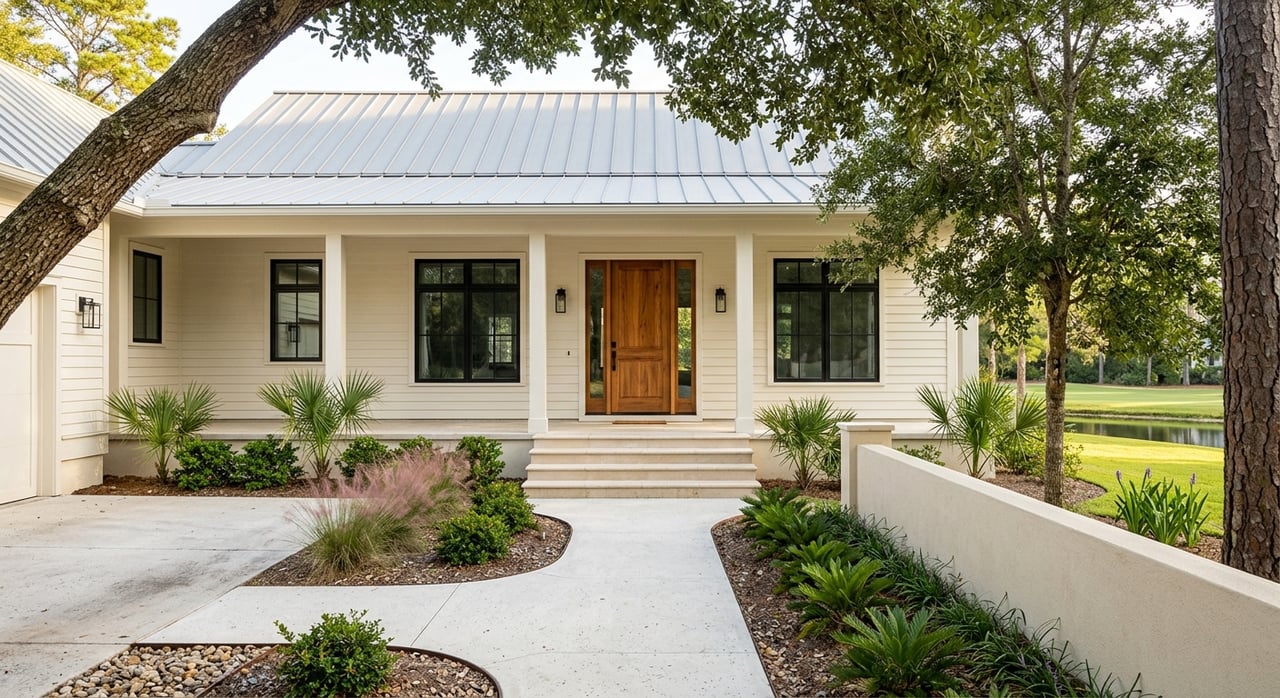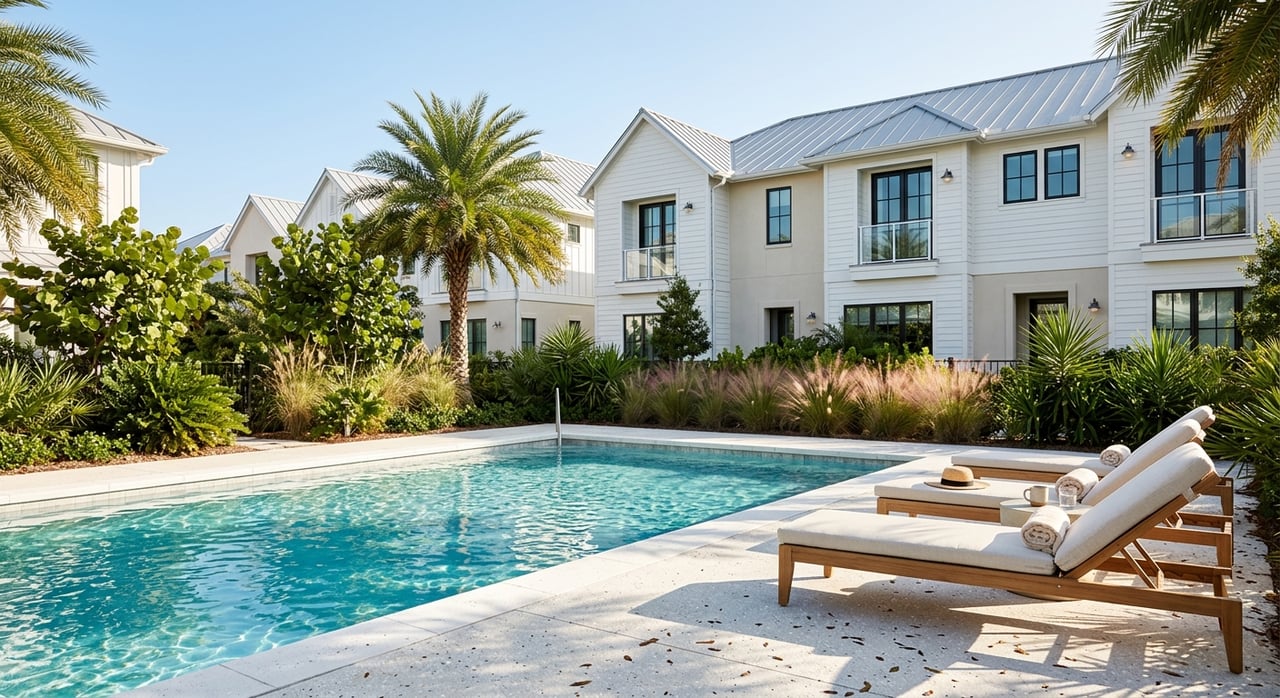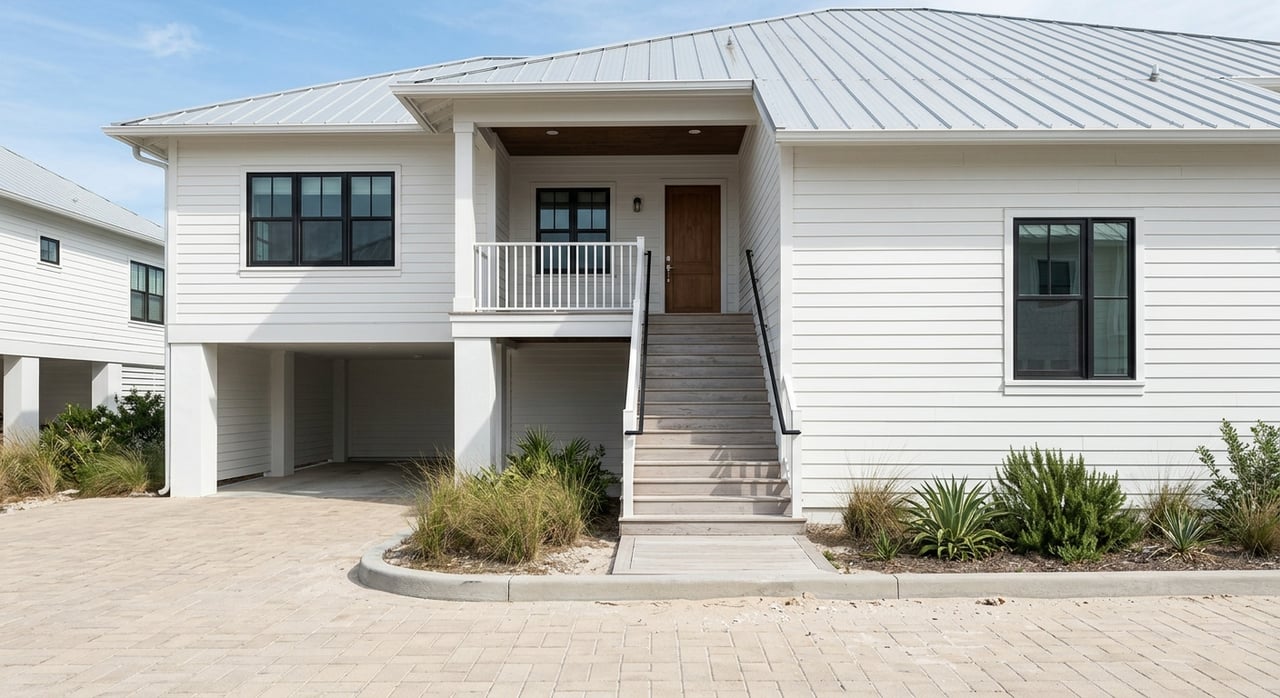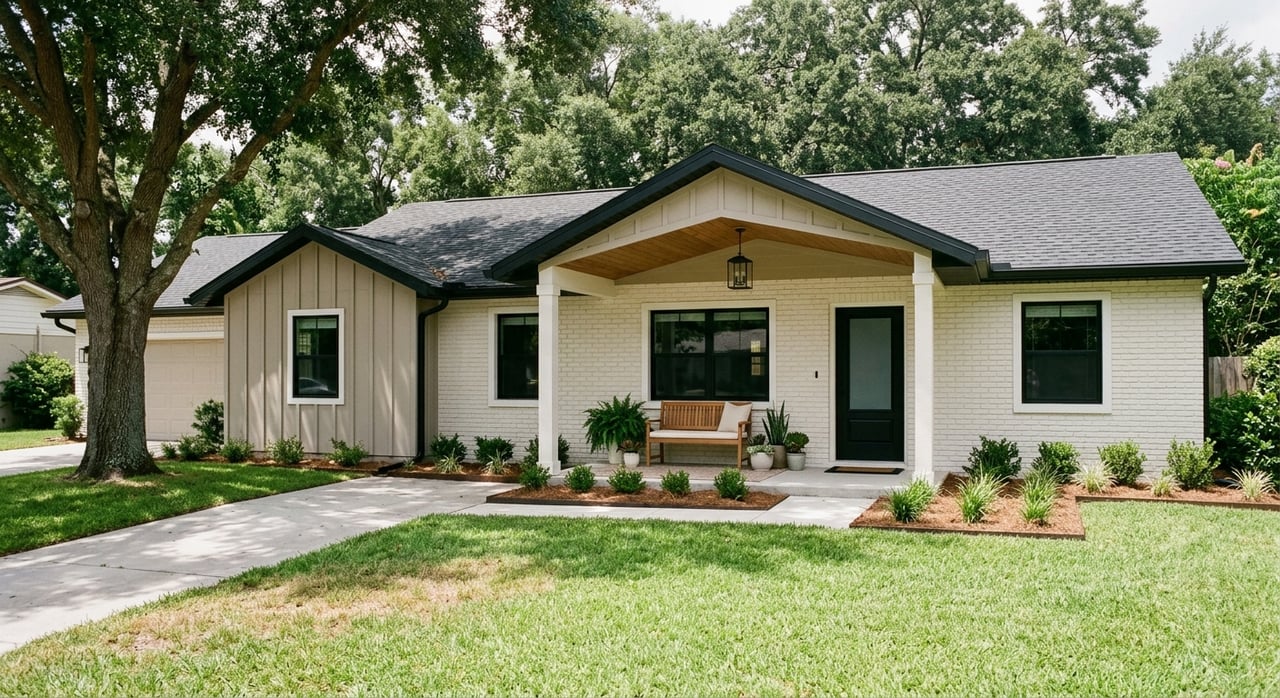
Thinking about buying a property in Laguna Beach for short-term rental use? It can be an appealing idea, especially if you want a beach-area home that may serve both lifestyle and income goals. But in Laguna Beach, the right answer depends on much more than a quick look at summer demand. You need to understand property type, county rules, taxes, and the local guest profile before you make assumptions about performance. Let’s dive in.
Why Laguna Beach stands out
Laguna Beach sits in unincorporated Bay County, which matters right away when you evaluate short-term rental potential. Because it is not under a separate city-specific framework in the research provided, Bay County’s short-term vacation rental rules are the key local rules to review.
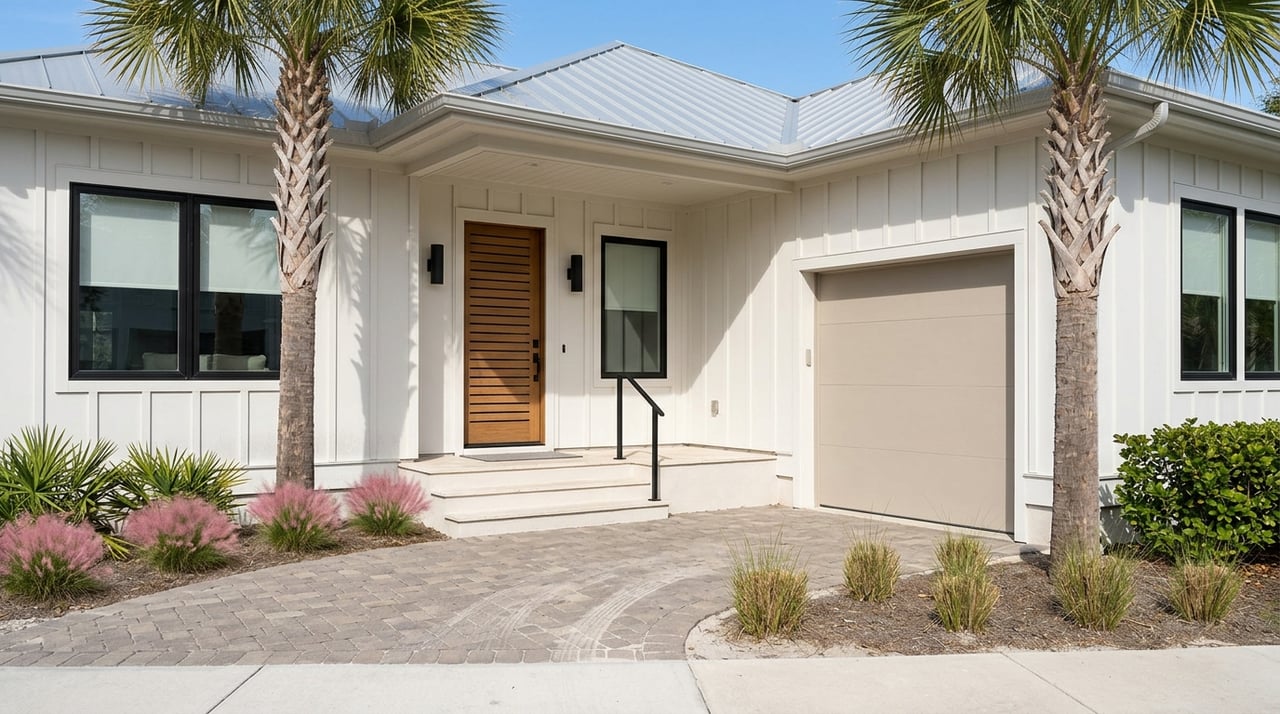
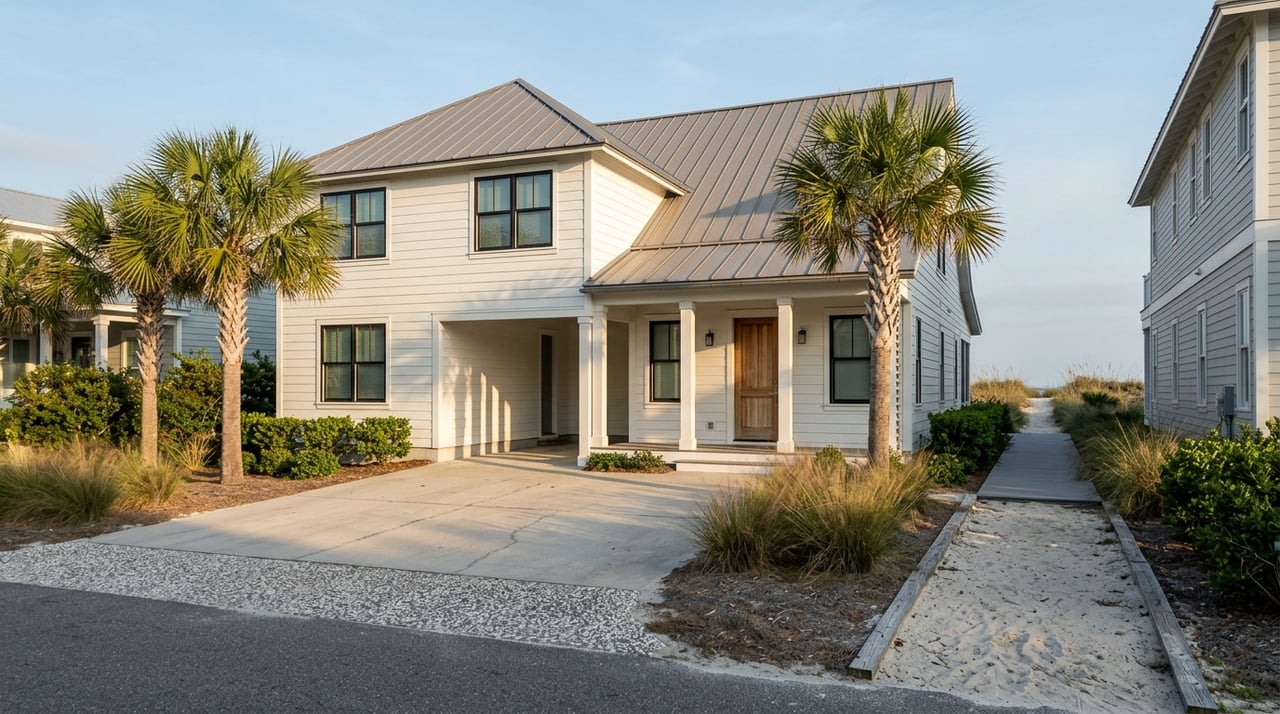
From a housing-stock perspective, Laguna Beach appears to be different from areas known for modern resort towers. County project materials described the area as having about 1,000 home sites, with lots platted from 1937 through the early 1960s. Those materials also noted that more than 95% of properties in the area relied on septic tanks at the time of that proposal, which points to an older residential layout and a likely mix of detached homes, cottages, and other low-rise properties.
That broader picture lines up with how the West End is described in official tourism materials. The area is presented as a quieter side of Panama City Beach with few high-rise condominiums and quaint beach communities. If you are searching for STR potential here, your most relevant opportunities may often be house-style properties rather than high-rise resort units.
Guest demand in Laguna Beach
A short-term rental only works if guests want to stay there, and Laguna Beach benefits from the larger Panama City Beach tourism engine. Bay County says all beaches are public and the county maintains 96 public access points. Visit Panama City Beach also promotes 27 miles of beaches, about 320 days of sunshine, and an average year-round temperature of 74 degrees.
That does not guarantee strong performance for every property, but it does support steady visitor appeal beyond a single peak season. The West End also offers a different type of stay than busier, denser beach areas. Official tourism materials highlight a quieter beach experience and access to places like Camp Helen State Park, Conservation Park, and the Man in the Sea Museum.
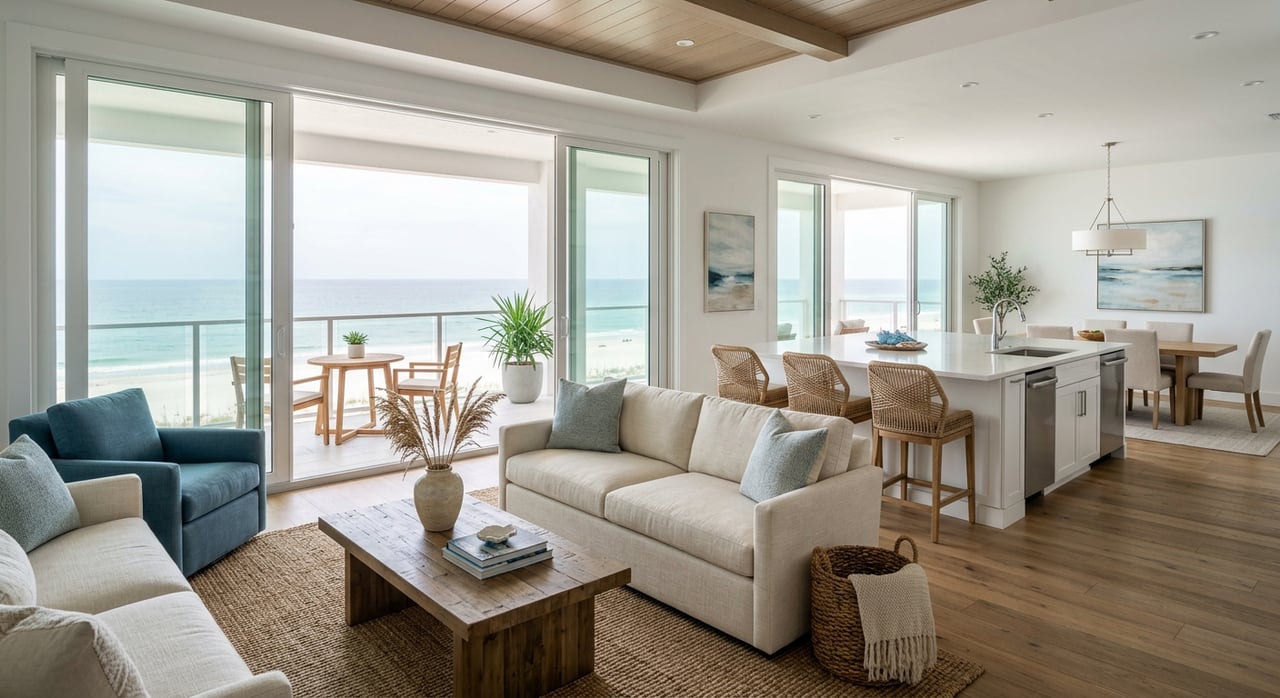
For many buyers, that means Laguna Beach may appeal most to guests looking for a lower-density coastal stay. Families, couples, and travelers who want a more relaxed pace may see this area as a fit. When you evaluate a property, think about whether its layout, parking, and beach access match that guest profile.
Seasonality is wider than summer
One common mistake in STR underwriting is assuming that summer tells the whole story. In this market, the research suggests a broader seasonal pattern. Visit Panama City Beach actively promotes spring travel and winter resident events, which points to year-round visitor activity rather than a narrow peak-only market.
Tourist Development Tax trends also support that idea. Visit Panama City Beach reported that Panama City Beach and Bay County TDT collections were up 7% in November 2025 and 10.7% in December 2025 compared with the prior year, with year-to-date growth of 7.8% as of February 2026. Those figures are not occupancy reports, but they do suggest demand strength outside the summer months.
For your analysis, it helps to break the year into four booking periods:
- spring travel season
- summer peak season
- fall shoulder season
- winter demand
If you only underwrite peak summer weekends, you may miss the bigger picture. A more realistic model looks at how the property could perform across the full calendar.
Rules that can shape feasibility
Before you think about nightly rates, you need to confirm whether a property can be legally and practically operated as a short-term rental. Florida defines a transient public lodging establishment as property rented more than three times in a calendar year for periods of less than 30 consecutive days, or advertised as regularly rented for periods under 30 days.
The state also requires licensing through the Florida Department of Business and Professional Regulation for new public lodging establishments and for new owners of existing establishments before operating. DBPR maintains a searchable vacation-rental database, which makes it a useful starting point when you are checking a property’s current status.
At the county level, Bay County adds another layer for properties in unincorporated areas like Laguna Beach. According to the county, short-term vacation rentals must maintain a Bay County Short-Term Vacation Rental Certificate, register for Tourist Development Tax, and hold a DBPR vacation-rental license.
The county also requires:
- annual registration
- inspection and recertification
- a responsible party
- posted signage when advertising the rental
The current county guidance says high-rise condominium units and apartment complexes are exempt from the county ordinance, while one- through four-family structures are included. Since Laguna Beach appears to lean toward low-rise and house-style inventory, that distinction is especially important when you compare properties.
Taxes can change the math
Revenue is only half the story. Taxes can materially affect net income, and short-term rental taxes are very different from long-term lease assumptions.
Bay County’s Clerk of Court says owner-operators collect and remit a 5% Tourist Development Tax on short-term and vacation rentals. Florida also imposes a 6% state sales tax on transient rentals, and Bay County has a 1% discretionary sales surtax based on the current surtax table in the research.
For many Laguna Beach reservations, that creates a combined tax burden that needs to be included in your underwriting. If you ignore that stack early, projected returns can look stronger on paper than they do in practice.
There is also a property-tax issue for owners who currently claim homestead status. Under Florida Statute 196.061, the rental of all or substantially all of a homesteaded dwelling constitutes abandonment of the homestead until the owner physically occupies it again. If you are converting a primary residence or homesteaded property to STR use, that is something to verify before you move forward.
What to look for in a good STR candidate
In Laguna Beach, not every beach-area home will perform the same way. A strong candidate is usually one that fits the area’s guest expectations and can support county compliance requirements without major surprises.
The research points to several factors that matter most:
- beach proximity
- house versus condo structure
- bedroom count
- parking
- ability to meet inspection and signage requirements without major capital expense
Because the local inventory appears older, condition can matter a lot. An older cottage near the beach may have strong appeal, but you still need to think through operational readiness. If a property needs major upgrades just to support turnover, parking, or required compliance items, the purchase price may not tell the full story.
How to research income potential
If you want to size up a Laguna Beach short-term rental opportunity, start with public data and then layer in property-specific analysis. Bay County monthly TDT reports can help you understand revenue trends and seasonality, but they are not true occupancy reports.
The county’s own report explains that the figures are unaudited and based on tax returns that have been submitted and paid. That means they are best used as a directional signal rather than an exact booking forecast.
Third-party STR tools can add another useful layer. According to the research, platforms like PriceLabs and AirDNA are designed to analyze ADR, occupancy, RevPAR, seasonality, and growth using Airbnb and Vrbo data. These tools can be helpful when you want to compare a Laguna Beach property to a more precise comp set.
For example, a smart comp set may group homes by:
- bedroom count
- walkability or beach access
- property type
- parking capacity
- general location within the West End area
That gives you a more useful estimate than comparing every beach-area property together. A two-bedroom cottage near a beach access point should not be underwritten the same way as a larger house farther from the sand.
A practical Laguna Beach workflow
If you are seriously evaluating a purchase, it helps to follow a simple process. This keeps you from falling in love with a projected income number before you confirm the basics.
1. Confirm legal status
Start with the DBPR vacation-rental database and Bay County’s certificate requirements. You want to know whether the property is already operating, what licenses or certificates are required, and whether its structure type falls inside the county’s local rules.
2. Review seasonal demand
Use Bay County TDT trend reports to understand the annual rhythm of the market. Focus on monthly changes and broad demand patterns instead of assuming every month will look like peak summer.
3. Build a true comp set
Use third-party data tools to compare similar properties by size, type, and location. The more tightly you define your comp set, the more useful your projected rates and occupancy assumptions will be.
4. Underwrite net income, not gross hope
Include management, cleaning, taxes, compliance costs, and any property upgrades needed to operate smoothly. A property with attractive gross revenue can still disappoint if operating costs are heavier than expected.
The bottom line on Laguna Beach STR potential
Laguna Beach can be an appealing short-term rental market because it offers a quieter West End setting, strong beach access, and demand tied to the larger Panama City Beach tourism economy. It also appears to favor the kinds of lower-rise, house-style properties many guests actively seek in this part of the coast.
At the same time, good investing here requires discipline. County compliance, state licensing, taxes, seasonality, and property-specific features all play a direct role in whether a home is truly a fit.
If you want help evaluating a Laguna Beach property, comparing likely buyer appeal, or narrowing down which homes may offer the strongest potential, Beach King Realty can help you approach the decision with local insight and a clear plan.
FAQs
What rules apply to short-term rentals in Laguna Beach, Bay County?
- Laguna Beach is in unincorporated Bay County, so Bay County’s short-term vacation rental rules apply along with Florida DBPR licensing requirements for qualifying vacation rentals.
What property types are most common for Laguna Beach short-term rentals?
- Based on the research, Laguna Beach appears to be more oriented toward older low-rise homes, cottages, and similar residential properties rather than a high-rise resort condo environment.
What taxes should you expect on a Laguna Beach short-term rental?
- The research shows a 5% Bay County Tourist Development Tax, 6% Florida state sales tax, and 1% Bay County discretionary sales surtax on transient rentals.
How should you estimate occupancy for a Laguna Beach vacation rental?
- Start with Bay County TDT reports for seasonality trends, then compare similar properties in third-party STR data tools to build a more realistic occupancy and rate model.
Can a homesteaded property in Florida be converted to short-term rental use?
- Florida Statute 196.061 says that renting all or substantially all of a homesteaded dwelling constitutes abandonment of the homestead until the owner physically occupies it again, so that issue should be verified before conversion.