If you are thinking about buying in Bid-A-Wee, one question matters more than almost anything else: what does beach access really mean here? This area of Panama City Beach can be appealing if you want a residential setting near the Gulf, but it comes with rules, dues, and property details you should understand before you buy. In this guide, you will get a clear look at Bid-A-Wee beach rights, association costs, parking realities, and the kinds of homes you are likely to find. Let’s dive in.
What makes Bid-A-Wee different
Bid-A-Wee stands out because it functions more like a deeded-beach residential pocket than a typical resort-style community. According to the City of Panama City Beach growth plan, the neighborhood sits in the west-central beach corridor between Front Beach Road and Panama City Beach Parkway, with the beachfront strip between Crane and Anemone streets identified as privately owned and deeded to Bid-A-Wee property owners.
That private beach component shapes how you should evaluate a purchase. Instead of assuming broad public-style beach access, you should think in terms of ownership rights tied to the subdivision and the rules that come with them. The association history notes that the original subdivision was platted in 1938 and includes about 2,500 feet of dedicated Gulf frontage.
Beach access in Bid-A-Wee
If beach access is your top priority, Bid-A-Wee may deserve a close look. The beach frontage is not described by the association as an informal amenity. It is part of a dedicated structure of ownership and use, which means access is more controlled than what you might expect in areas centered on public beach entry.
The Bid-A-Wee Beach Park association describes the original dedication as highly restrictive. For buyers, that means it is smart to ask very specific questions about how access works, what rights transfer with the property, and what association participation is needed to use the beach as intended.
How gate access works
Beach access is managed, and gate codes are updated throughout the year. The association calendar states that codes change on January 1, April 1, July 1, and October 1, with updates sent by email or mail.
That detail may sound small, but it tells you a lot about how the neighborhood operates. This is not open-ended, walk-up public access. It is a controlled system, so if you are buying from out of town or planning part-time use, you will want to understand exactly how access is maintained after closing.
Beach use comes with rules
The association also has specific operational rules. On the association website, dues support crosswalks, fencing, dune preservation, and beach upkeep, and the site also notes management of boardwalks and rules such as parking bicycles outside the boardwalk side rails.
For larger gatherings, the rules are even more specific. The beach event guidance says a resident or property owner must be responsible for the event, a hold-harmless agreement is required, non-resident vendors may not receive gate codes, and crosswalks and exits cannot be blocked. That may not affect every buyer, but it does show that beach use here is structured and actively managed.
HOA and dues: what buyers should expect
Bid-A-Wee is not a conventional master-planned HOA in the way some buyers imagine, but there is an important membership and dues component tied to beach maintenance and access. The join and renew page lists annual dues at $100 per lot, plus $50 for each additional lot.
If combined lots appear as one lot on the Bay County Property Appraiser website, the association says they count as one lot for membership purposes. That is worth confirming during your due diligence if the property you are considering includes more than one platted parcel or an unusual lot configuration.
What the dues support
The dues are not just administrative. The association says this funding supports:
- Crosswalks
- Fencing
- Dune preservation
- Beach upkeep
The association also states that these dues are its only source of funding for maintaining the beach. For a buyer, that helps explain why membership matters and why understanding the structure before closing is so important.
Home styles you may find
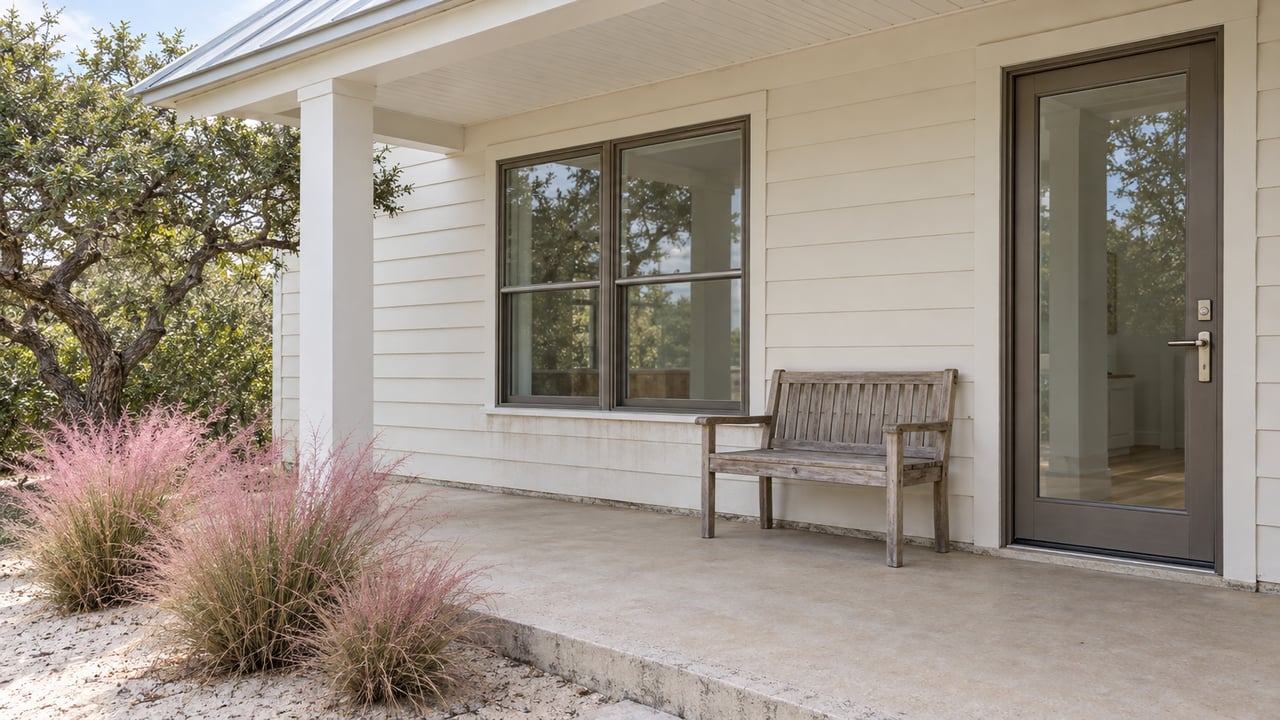
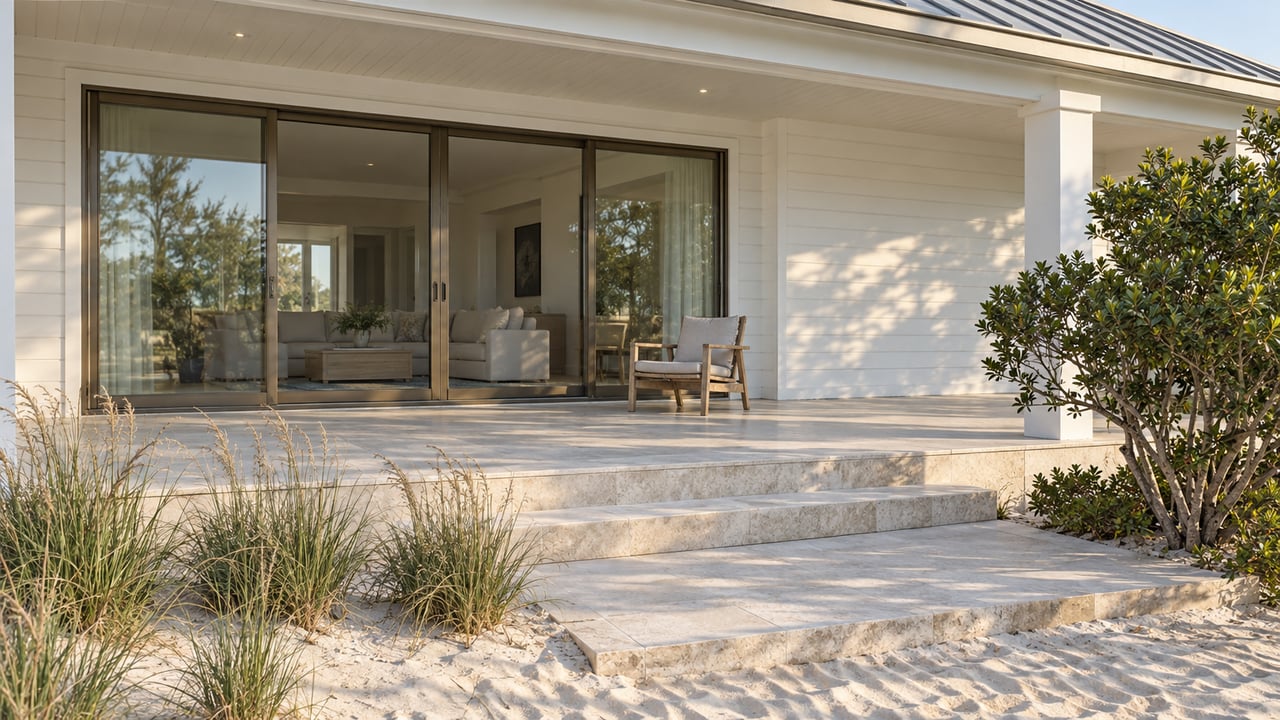
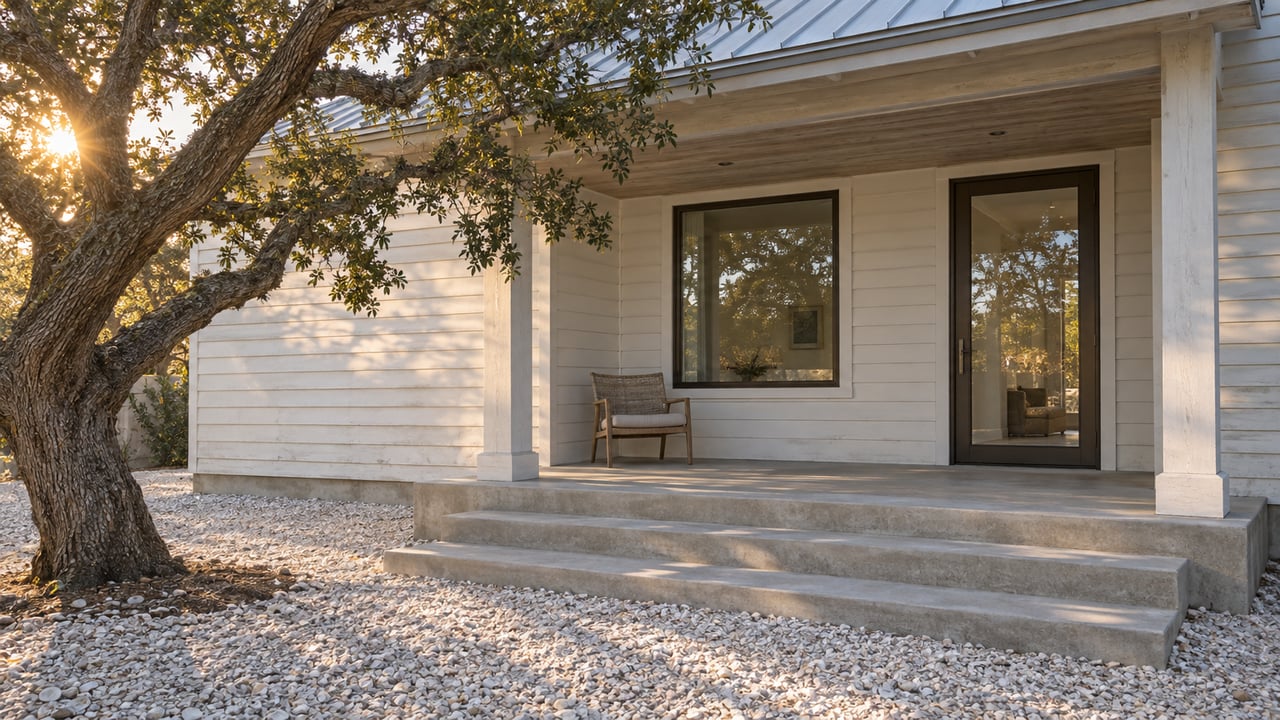
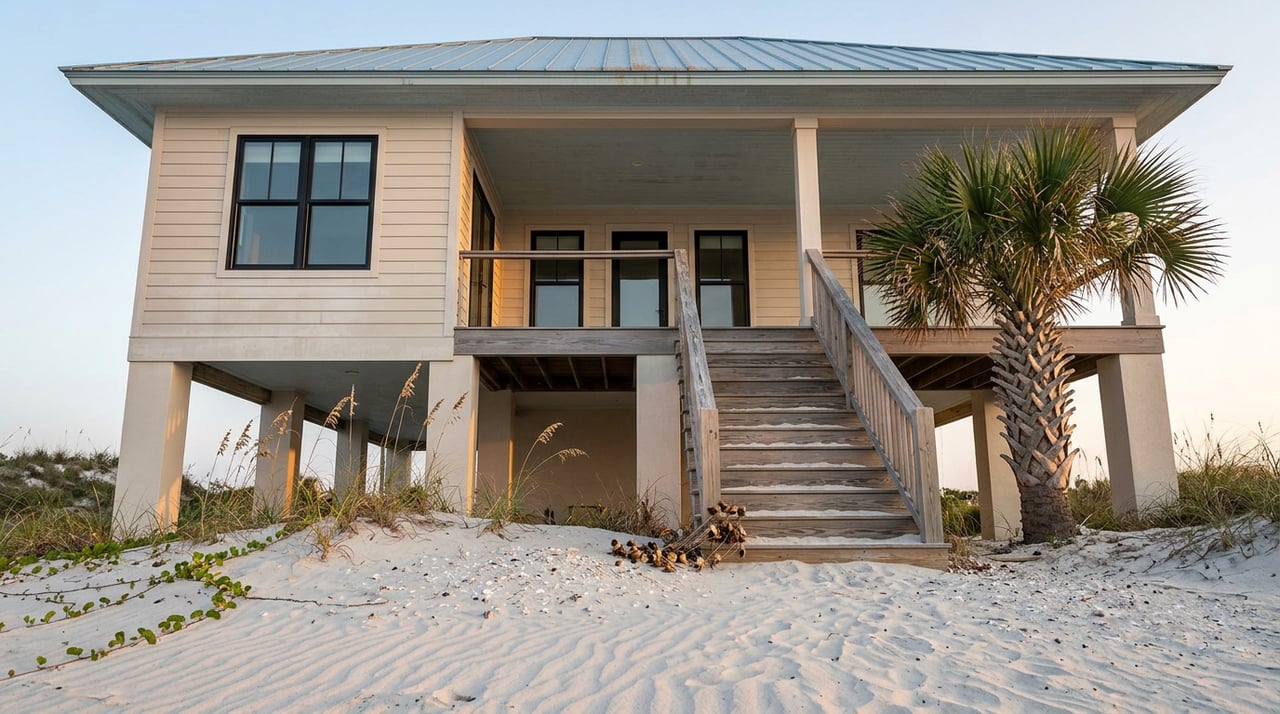
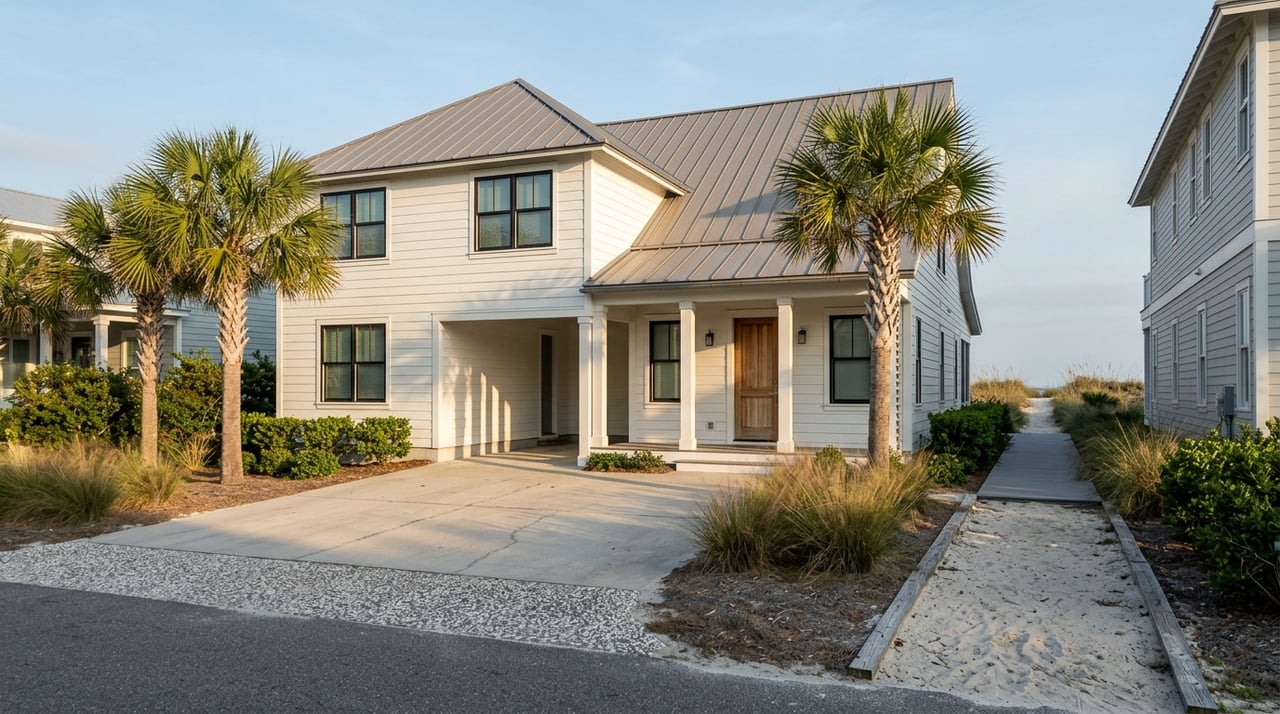
If you are picturing a neighborhood filled with one uniform home type, Bid-A-Wee is not that. The available examples in the research show a mixed housing stock that has evolved over time.
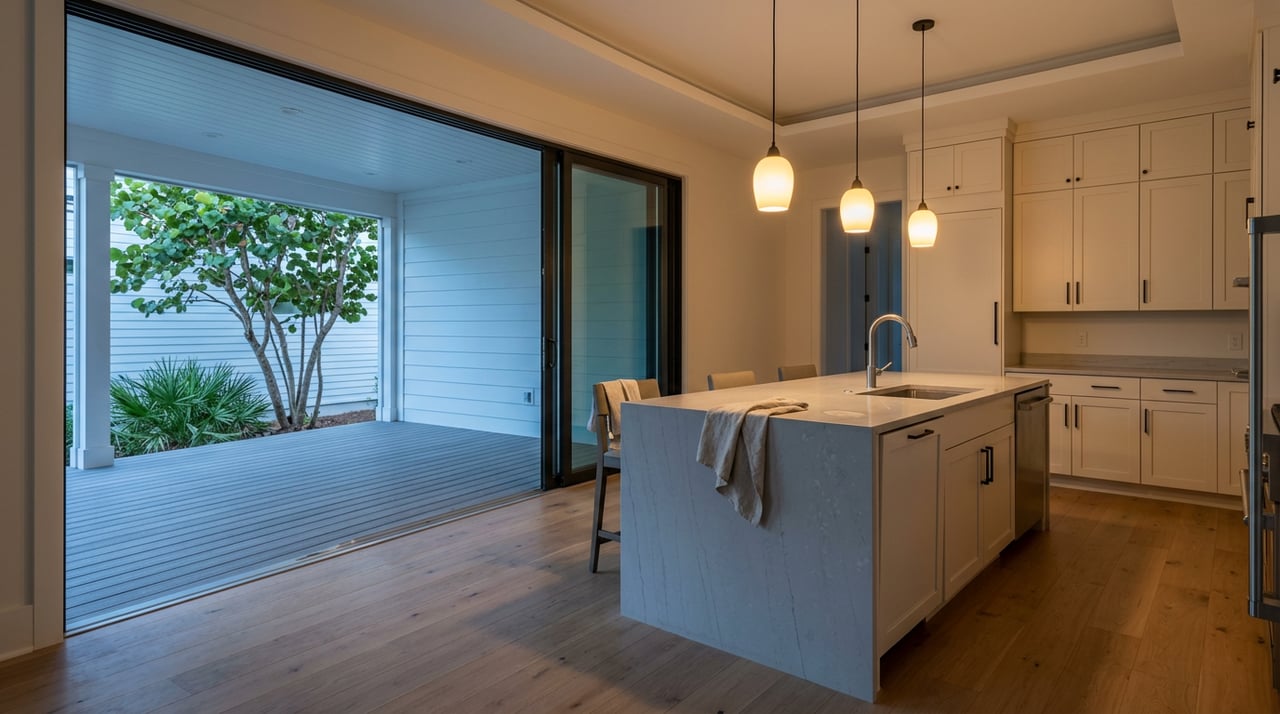
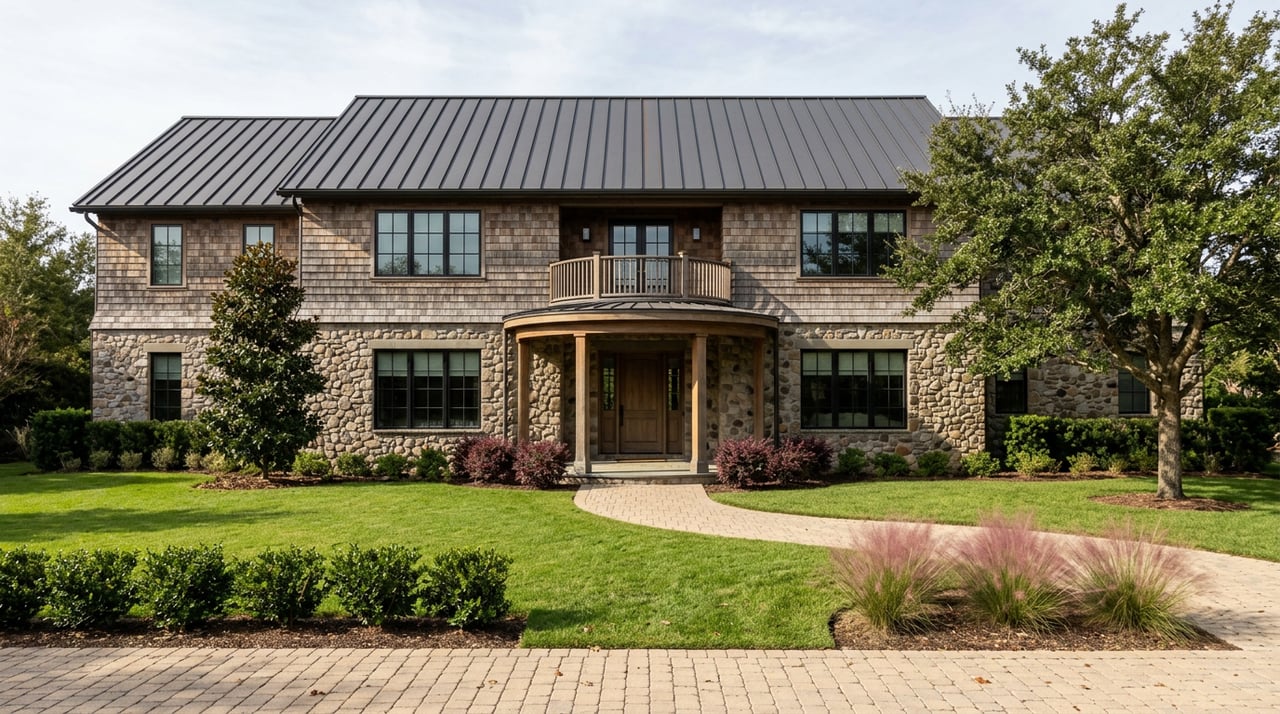
Sampled properties include a 1940s beach cottage, homes from the 1980s and 1990s, a 2016 craftsman-style home, and even a 2023 three-story beach house, based on the available property examples and listing snapshots. In practical terms, that means your search may include older homes with character, updated resale homes, and newer construction depending on your budget and goals.
Mostly detached homes
The neighborhood appears to be dominated by detached single-family homes rather than condo stock. That can be a meaningful difference if you want more privacy, yard space, or a more traditional house layout than you would typically find in a condo-heavy part of Panama City Beach.
For many buyers, that also changes the decision process. Instead of comparing tower amenities and monthly condo fees, you may spend more time reviewing lot dimensions, parking, renovation history, and beach-rights details on a house-by-house basis.
Common lot sizes
Recent listing examples show lot dimensions such as 50x100, 50x110, about 50x144, and 60x150, according to sampled Bid-A-Wee property listings. That puts many lots roughly in the 5,000 to 9,000 square foot range, although exact sizes vary by parcel and street.
That lot mix can create some variety in how homes live. Some properties may offer a more compact beach-cottage feel, while others may have deeper or oversized lots that allow for more outdoor space, expanded parking, or larger home footprints.
Parking and street layout matter here
One of the easiest mistakes buyers make in older beach neighborhoods is focusing only on the house and not enough on daily logistics. In Bid-A-Wee, parking is an important part of the equation.
The research shows that parking is parcel-specific, not standardized across the neighborhood. Some homes advertise garages and driveway space, while others may have no garage at all, based on sampled listing details. If you have multiple drivers, frequent guests, or a boat or golf cart to think about, confirm the real off-street parking setup before you commit.
Older street grid feel
The city street inventory shows Bid-A-Wee as an older street grid with roads dating to 1938 and right-of-way widths often around 40 feet, with Argonaut Street ranging from 40 to 70 feet, according to the city street inventory document. That may translate to a tighter feel than in newer subdivisions.
For you, that can affect how easy it is to turn around, park, and navigate during busy beach periods. It is a good idea to visit at different times of day if possible, especially if the home will be a primary residence or frequent second-home getaway.
Public parking is separate
Another key point is that Bid-A-Wee beach access should not be confused with the city’s public beach access system. The City of Panama City Beach beach access page explains that the city maintains separate public access points and identifies where vehicle parking is available for those public entries.
That matters because you should not assume the Bid-A-Wee beach itself works like a public parking beach. If your lifestyle depends on easy guest parking or frequent day visitors, that is something to review carefully during your home search.
Is Bid-A-Wee right for you?
Bid-A-Wee can be a strong fit if you want a house-centric neighborhood near the Gulf and you value the idea of deeded beach access within a more residential setting. It may especially appeal to buyers who prefer detached homes over condos and who are comfortable with a neighborhood that has legacy rules and a more structured access model.
It may require more due diligence if you want a simple, amenity-heavy ownership experience with broad public-style access expectations. In Bid-A-Wee, the details matter. Beach rights, dues, lot configuration, and parking should all be reviewed early so you know exactly what you are buying.
If you are considering a home in Bid-A-Wee, working with a local brokerage that knows how to evaluate beach access, neighborhood layout, and property-specific tradeoffs can save you time and help you avoid surprises. If you want clear guidance on homes in Bid-A-Wee or anywhere in Panama City Beach, connect with Beach King Realty for a local, straightforward conversation about your options.
FAQs
What does beach access mean in Bid-A-Wee Beach?
- In Bid-A-Wee, beach access is tied to privately dedicated beach frontage for property owners, and access is controlled through the association rather than operating like an open public beach.
What are the annual dues in Bid-A-Wee Beach?
- The Bid-A-Wee Beach Park association lists dues at $100 per lot per year and $50 for each additional lot, with combined lots sometimes counted as one lot if shown that way on the Bay County Property Appraiser website.
What types of homes are common in Bid-A-Wee Beach?
- The neighborhood appears to be made up mostly of detached single-family homes, with examples ranging from older beach cottages to newer multi-story beach houses.
What should buyers know about parking in Bid-A-Wee Beach?
- Parking depends on the specific property, and the neighborhood’s older, tighter street grid can make off-street parking and driveway layout especially important to confirm before buying.
Is Bid-A-Wee Beach a condo-style HOA community?
- No, the research points more toward a deeded-beach residential neighborhood with association dues and controlled beach access, rather than a traditional condo-style or resort-style HOA setup.